From the late
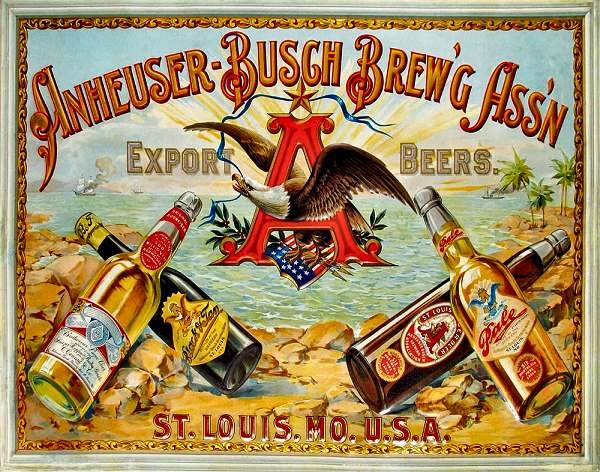
1800s until the early 1900s, Anheuser-Busch owned and controlled the
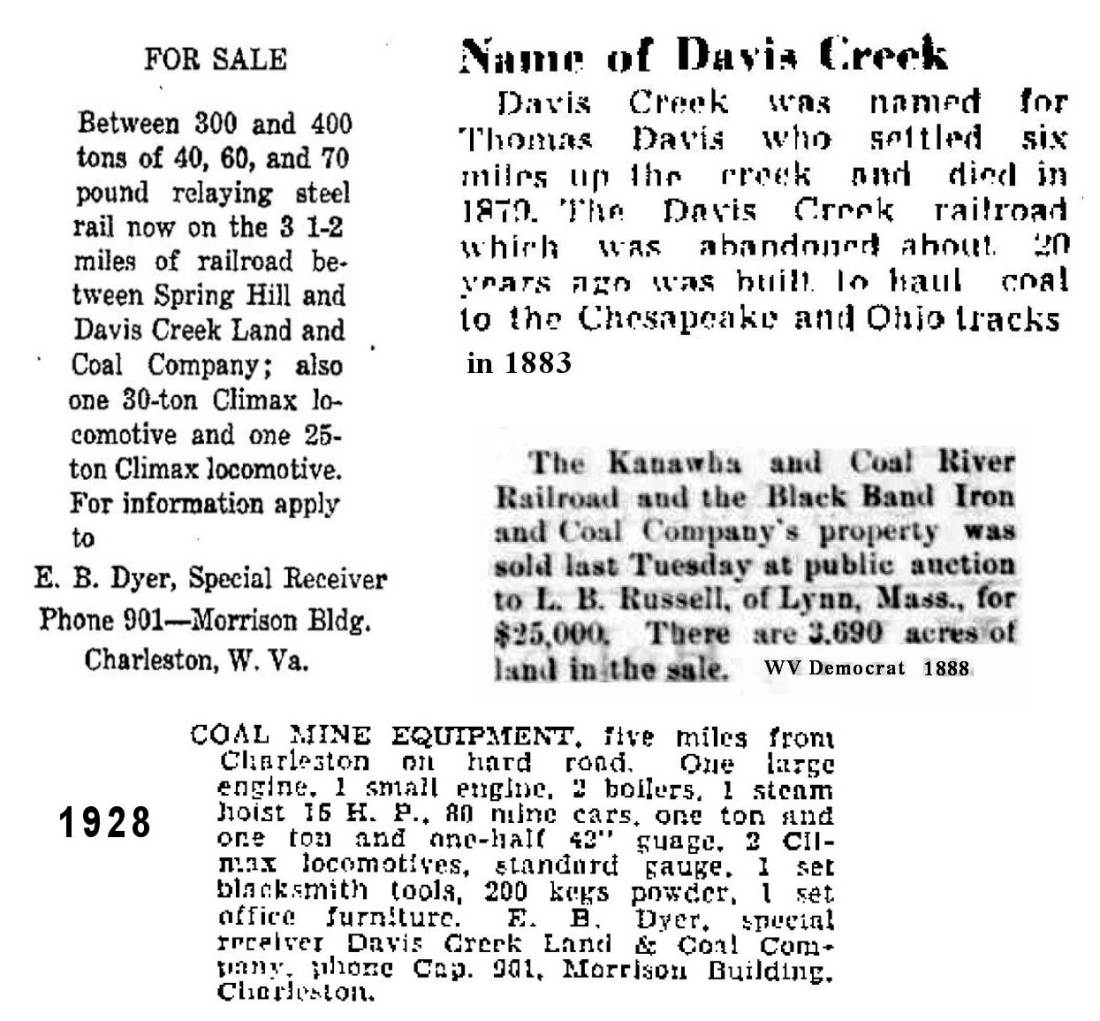
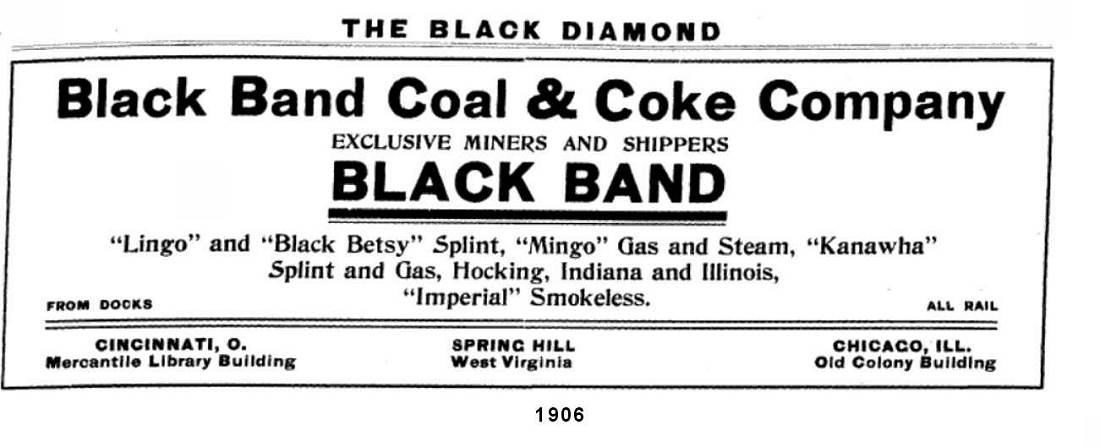
Black Band Iron and Coal Company in and around the Davis Creek area.
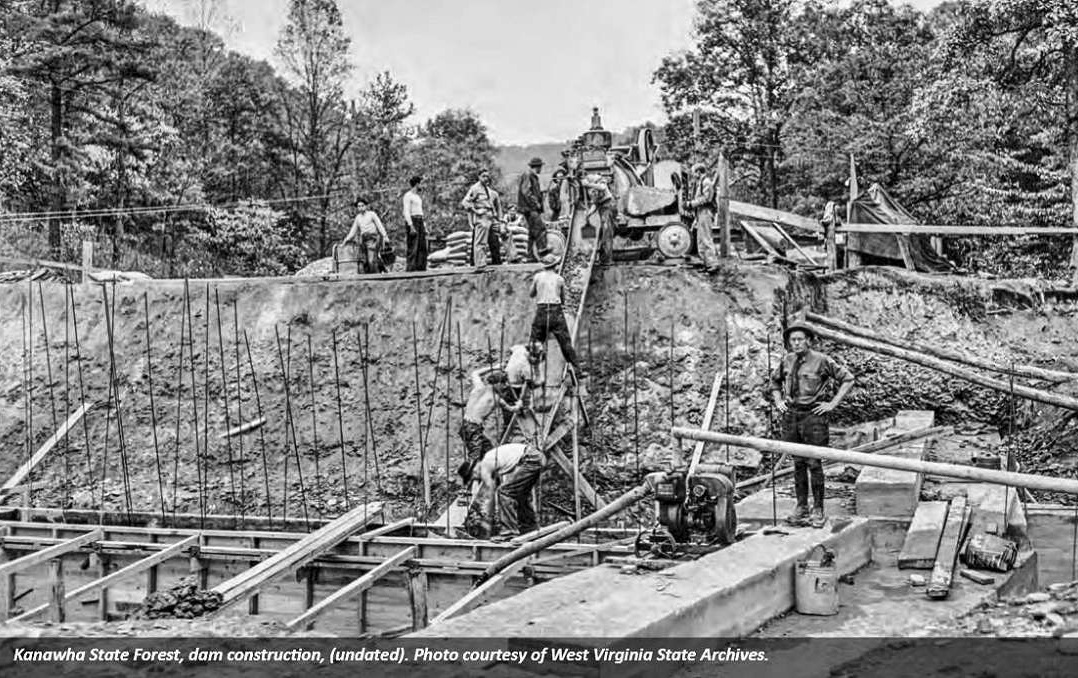
This would later become the Kanawha State Forest.
The
Land Acquisition: Property records show that pieces of land
totaling hundreds of acres along Davis Creek were conveyed to the
Anheuser-Busch Brewing Company in the late 19th century. The brewery
amassed thousands of acres to secure natural resources.
The
Barrel Business: While the property contained coal mines,
Anheuser-Busch had an even more direct brewing interest on-site. They
built and operated a stave mill right in the forest. This mill
harvested timber to produce the wooden staves required to manufacture
their beer barrels.
The
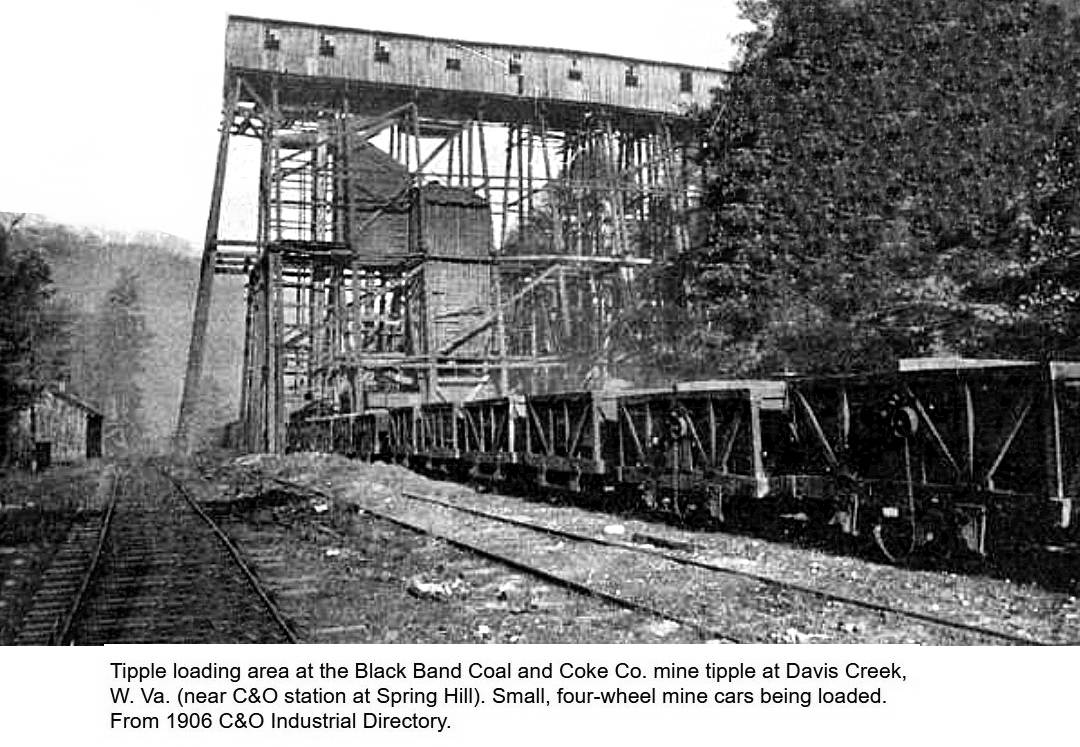
Coal Mining: The Black Band company operated several coal mines
within the current forest boundaries between 1888 and 1907.
The Stave Mill and Sawmill Location:
Historical property maps place the stave mill and
adjacent sawmill near the mouth of Rattlesnake Hollow, right where it
intersects with Davis Creek. If you visit the forest, this aligns very
closely with the area around the Rattlesnake Hollow Trail and the
park's shooting range. While the mill's wooden structures are gone, the
flat clearings near the creek bed mark where timber was stacked to be
cut into barrel staves.
The
Old Coal Mine Portals: The Black Band Iron and Coal Company
operated six different mines that literally dotted the hillsides up the
hollows. Two specific areas still contain visible remnants:
The
CCC Snipe Trail Mine: The most accessible and recognizable mine
portal is located along the CCC Snipe Trail. The state has permanently
sealed this open mine, and it was famously outfitted with special gates
to turn the deep shaft into a protected bat habitat. (This specific
portal features a park historical sign noting that in 1941, workers
found 28 abandoned bootlegger mash barrels deep inside it).
Shrewsbury
Hollow and Middle Lick Fork: Additional primary mine entries
were located up Shrewsbury Hollow (near where the park office/nature
center sits today) and Middle Lick Fork. If you hike the trails through
these hollows, you can still find unnatural level cuts in the
hillsides, old stone foundations, and piles of dark slate/slack dump
rock hidden under the forest floor.
The
Historic Town of Chilton: To visualize the scale of the
operation, the heart of the corporate property was a booming mining
camp named Chilton, located just a few miles up the main road from the
current Loudendale entrance.
In 1907, right at the end of the Anheuser-Busch era, this hidden
community featured 131 houses, three schools, three churches, two
company stores, and a post office. The main road through the park
(Kanawha State Forest Drive) was actually built directly on top of the
old Kanawha and Coal River Railroad bed that hauled out those beer
barrel staves and coal cars. During the peak of the mining activity, a
sawmill and a stave mill for manufacturing barrel staves were located
near the mouth of the Kanawha State Forest.
ABOUT THE TRAIN THAT RAN UP DAVIS
CREEK
|
|